
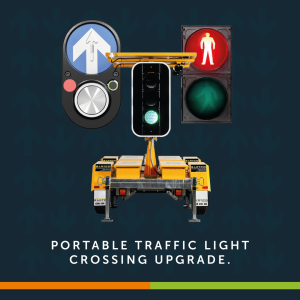
Adding pedestrian crossing upgrades to portable traffic lights in Australia is more than a safety enhancement — it’s a vital step toward inclusive, compliant, and future-ready traffic management. As urban growth and infrastructure projects continue to surge, ensuring the safety and accessibility of all road users — not just motorists — will be central to successful transport planning.
In Australia’s rapidly urbanising and infrastructure-driven landscape, roadworks and temporary traffic management are common sights. Portable traffic lights have become essential tools for maintaining road safety and efficient traffic flow during construction and maintenance activities. However, a frequently overlooked aspect of temporary traffic control is the safe accommodation of pedestrians. Integrating pedestrian crossing upgrades into portable traffic lights can offer substantial benefits — not only for safety but also for accessibility, legal compliance, and community wellbeing.
- Improved Pedestrian Safety
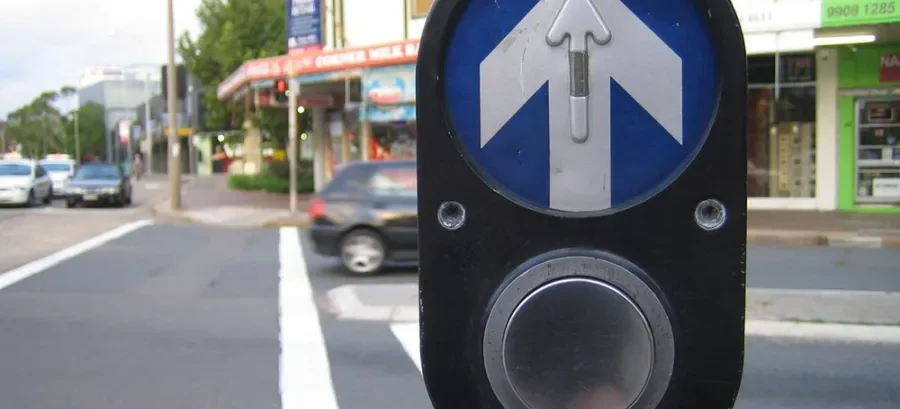
The primary advantage of adding pedestrian functionality to portable traffic lights is the significant boost in safety for those on foot. Traditional portable signals are often vehicle-centric, leaving pedestrians to navigate work zones without clear guidance or protection. With an integrated pedestrian crossing feature — including dedicated signals and audible cues — individuals are provided with a safe, defined window to cross, reducing the risk of accidents and near misses.
- Accessibility for Vulnerable Road Users
Australia’s commitment to inclusivity is enshrined in both the Disability Discrimination Act (DDA) and Australian Standards (AS 1428) for accessible public infrastructure. Pedestrian crossing upgrades that include tactile paving, countdown timers, and audio signals ensure that people with vision, mobility, or cognitive impairments can safely navigate temporary traffic environments. These enhancements support equitable access and align with legal and moral obligations for universal design.
- Compliance with Road Safety and Planning Standards
Transport and road agencies across Australian states, including VicRoads, Transport for NSW, and TMR Queensland, increasingly require traffic control systems to account for pedestrian movement, particularly in high-footfall urban areas. Upgraded portable lights can help traffic management contractors meet these regulatory expectations, thereby reducing risk of non-compliance and potential liability in the event of pedestrian-related incidents.
The standards we design to:
AS 2353:2018 – Pedestrian push-button assemblies
AS 4191:2015 – Portable Traffic Signal Systems
- Greater Public Confidence and Community Trust
Clear, safe pedestrian paths around construction or event sites foster public confidence in the managing authority. When the community sees their needs being considered — especially the safety of children, elderly individuals, or those with disabilities — it builds trust in local councils, roadwork contractors, and government agencies. This can result in fewer complaints, improved public relations, and better cooperation during disruption.
- Versatility and Reusability
Modern portable traffic light systems with modular pedestrian upgrades are designed for adaptability. They can be deployed at various sites, from urban intersections to rural roadworks, and can be customised to different durations and traffic patterns. This makes the investment highly cost-effective over time. Solar-powered options and remote monitoring further enhance their utility, reducing the need for manual control and increasing operational efficiency.
- Supporting Active Transport Goals
Australia’s major cities are promoting active transport — walking and cycling — as a means to reduce congestion and emissions. Infrastructure that ensures pedestrian safety, even temporarily, supports these broader sustainability goals. Encouraging walking through safe crossings contributes to healthier, greener, and more liveable cities.
Upgrade your PTL’s Today. Email: sales@bartco.com.au